
Why UK Manufacturing Is Becoming Less Competitive
UK manufacturing is facing increasing pressure, not from a single issue, but from a combination of rising costs that are all moving in the same direction.
Individually, these pressures are manageable. Together, they are changing how manufacturing businesses operate, where they invest and, in some cases, whether they remain in the UK at all. This is not a short term challenge. It is a structural shift.
Internal Cost Pressure
The most immediate pressure comes from the cost of employing people.
Wage levels have risen steadily, particularly at the lower end of the market. While this supports living standards, it has a wider impact within manufacturing businesses. When entry level wages increase, the effect moves through the entire structure.
• Operators expect increases
• Supervisors follow
• Skilled roles adjust
• Management expectations shift
At the same time, employer National Insurance increases have raised the true cost of every employee. Businesses are not just paying higher wages, they are paying more on top of those wages. In a sector that relies heavily on labour, this creates a significant increase in operating costs.
External Cost Pressure
Alongside labour costs, manufacturers are facing higher input costs.
Global instability has affected supply chains and increased the price of raw materials. The UK is heavily reliant on imported materials, which means domestic manufacturers are exposed to these global fluctuations.
When access to materials becomes more limited or more expensive, production costs rise further. This compounds the pressure already created by labour costs.
Market Reality
Manufacturing operates within a global market.
UK businesses are competing against companies in regions with lower labour costs, lower employment related costs and, in some cases, more direct access to raw materials.
While there is often support for UK manufacturing in principle, purchasing decisions are typically driven by price and value. If a comparable product is available at a lower cost elsewhere, demand will shift.
This creates a structural challenge. UK manufacturers must absorb higher costs while competing against lower cost alternatives.
Business Response
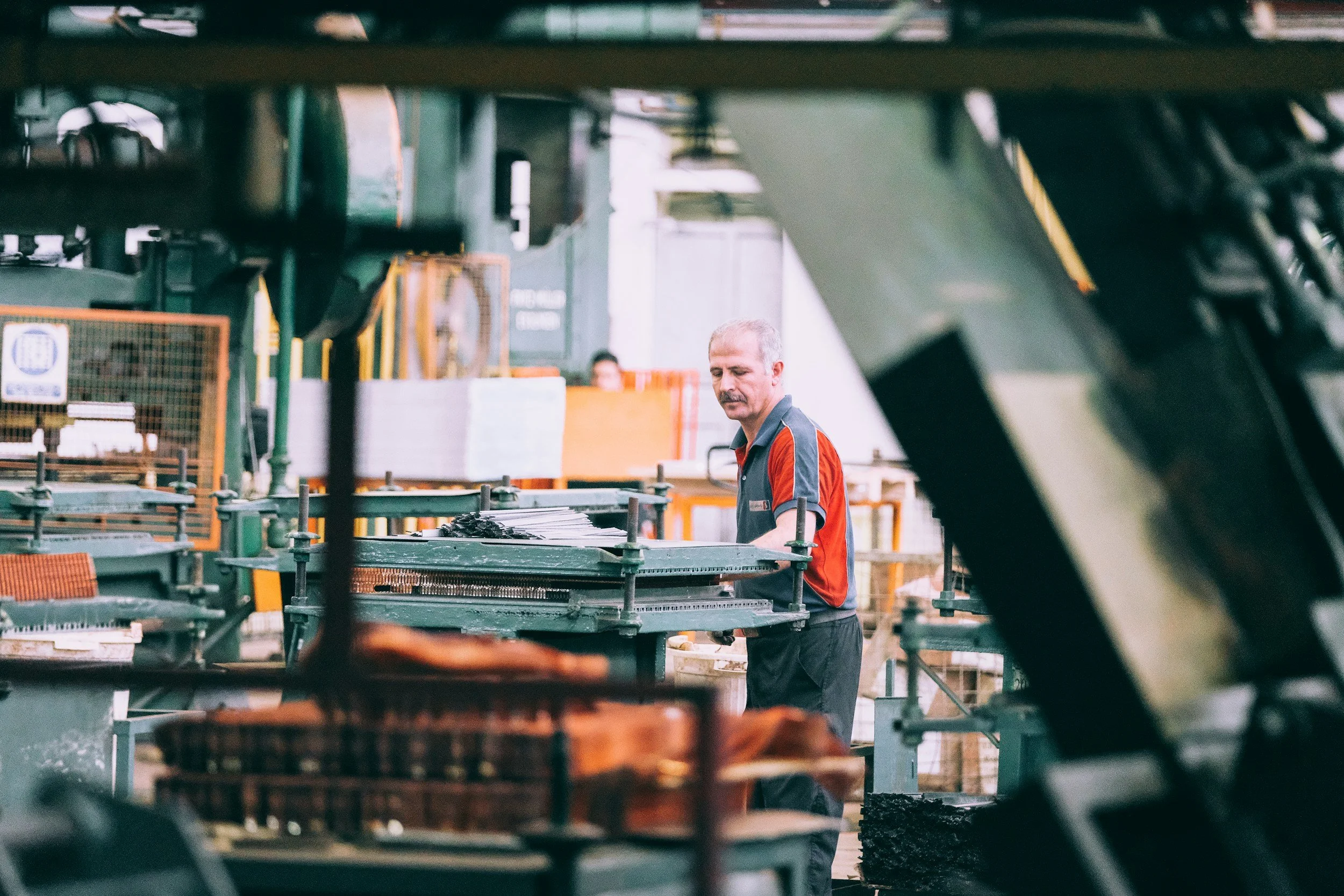
Faced with sustained cost pressure, businesses adjust their behaviour.
The most common responses are:
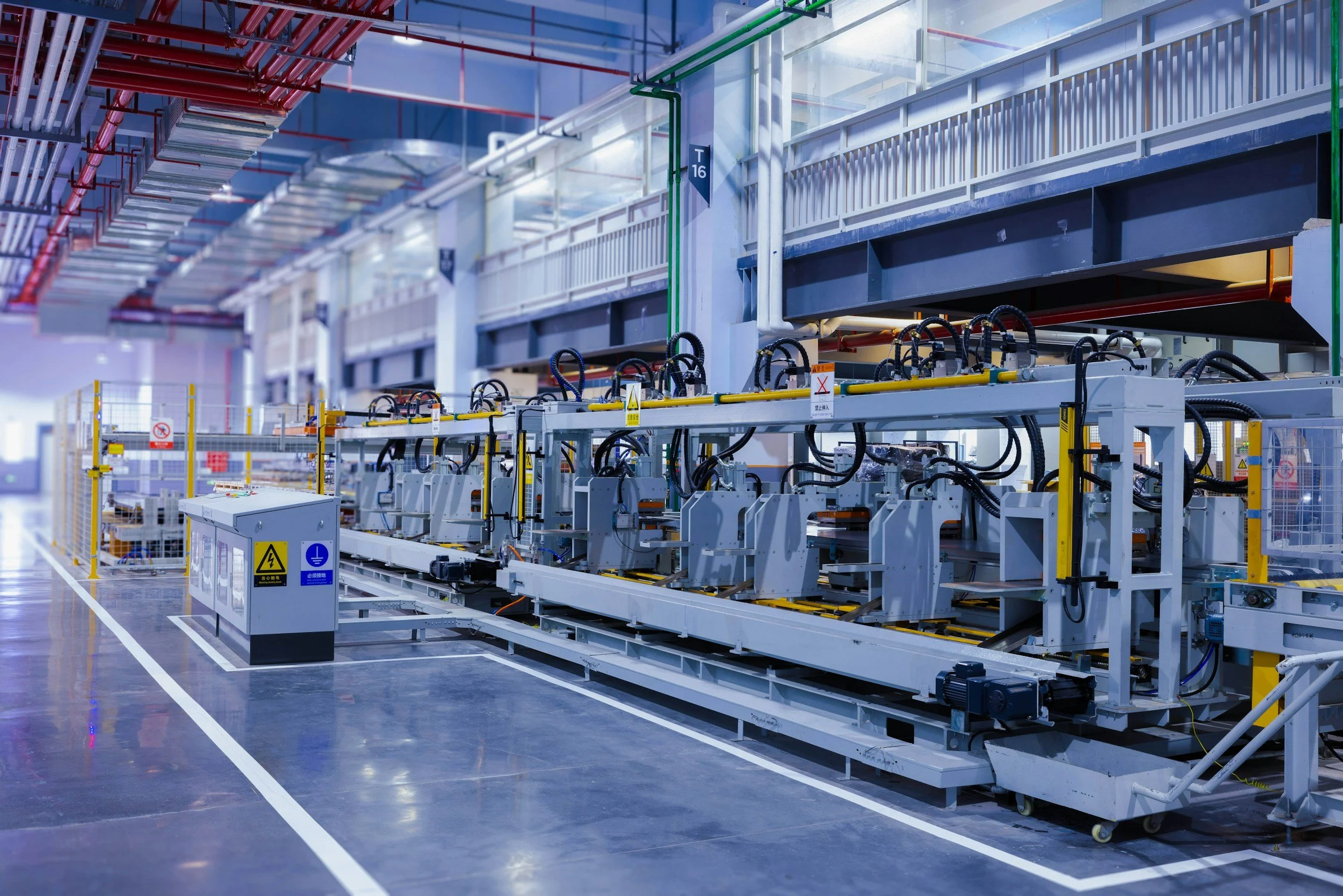
• Investing in automation to reduce reliance on labour
• Moving elements of production to lower cost countries
• Increasing prices where the market allows
• Reducing hiring or slowing expansion
These are rational commercial decisions. However, they have consequences for the domestic manufacturing base.
The Direction of Travel
Over time, these pressures begin to shape the structure of the sector.
Fewer roles are created. Some existing roles are replaced by automation. In certain cases, production is relocated entirely.
This reduces the number of opportunities available within UK manufacturing, which in turn affects the pipeline of future talent. Fewer people choose to enter the sector, reinforcing the cycle.
Summary
UK manufacturing is becoming less competitive due to a combination of internal and external cost pressures.
Rising wages and employment costs are increasing the cost of labour. Higher material costs are increasing the cost of production. At the same time, global competition continues to apply downward pressure on pricing.
The result is a gradual shift in how and where manufacturing takes place.
This is not driven by a single decision or policy. It is the outcome of multiple factors moving in the same direction. Without a change in balance, the long term risk is a continued reduction in UK based manufacturing activity.
